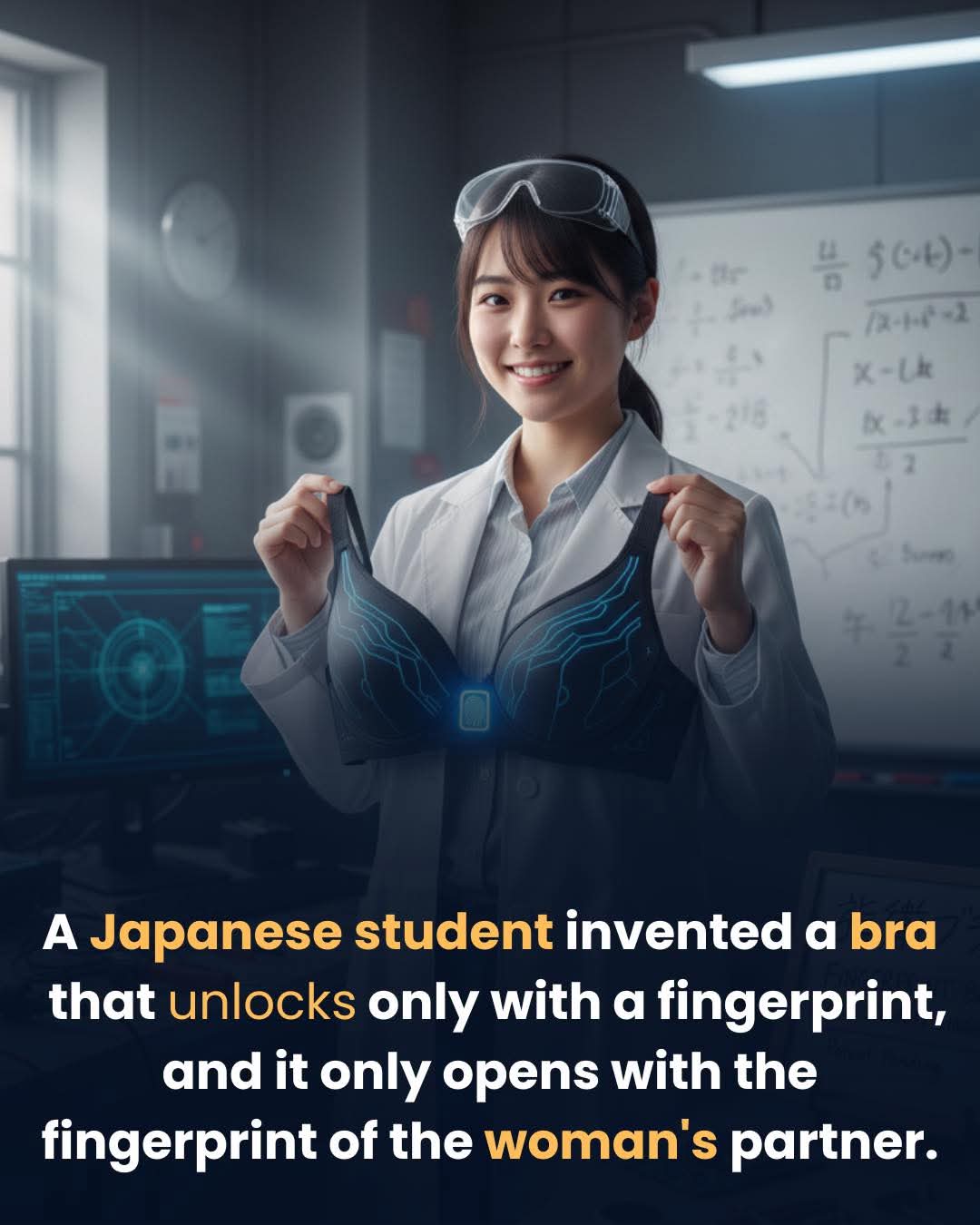
In recent years, technological innovation has moved far beyond phones, laptops, or smart home devices. Today, wearable technology is entering a new era—one where personal safety, privacy, and empowerment are becoming central themes. Among the most surprising and fascinating inventions circulating online is the concept of a smart bra that unlocks only with a fingerprint. According to viral posts, this idea originated from a Japanese student who designed a bra that opens exclusively with the fingerprint of the woman’s partner. While the story itself has created mixed reactions, it undeniably sparks interest in the possibilities and implications of such technology.
Whether or not this particular invention becomes commercially available, the idea shines a spotlight on how innovation can merge with social issues—especially those that revolve around trust, consent, and personal safety.
An Unusual Invention With a Bold Purpose
The idea behind this fingerprint-protected bra stems from a simple yet powerful thought: using technology to enhance a woman’s sense of security and autonomy. The design, as described in viral posts, features biometric sensors embedded in the clasp. These sensors detect and store the fingerprint of the wearer’s chosen partner, allowing the bra to unlock only when that specific fingerprint is scanned.
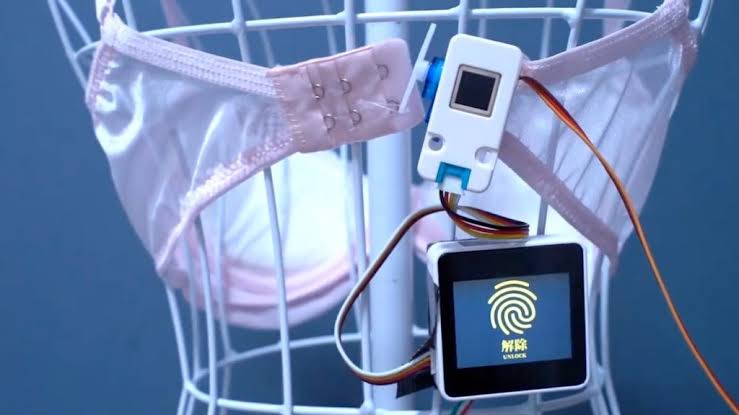
At first glance, the invention may appear humorous or exaggerated. However, when examined closely, it raises important discussions about how wearable technology can evolve. With smartwatches tracking health metrics and smart jewelry designed for emergency alerts, a biometric-secured bra doesn’t seem entirely out of place in the modern landscape of innovation.
The Technology Behind the Concept
Fingerprint scanners have become incredibly common. From mobile phones to office doors, biometric authentication is now one of the most trusted and convenient forms of security. Transferring this idea to a clothing item is unconventional but technically possible.
The concept would likely use:
A compact fingerprint sensor integrated into the front clasp
A small battery or energy-efficient power source
Encrypted biometric data for security
A microcontroller to handle authentication
In theory, the bra would unlock only when the authorized fingerprint is detected, preventing unwanted access. While this may not be a mass-market necessity, it does demonstrate how flexible modern technology has become.
A Symbol of Consent in the Digital Age
One reason this invention gained such widespread attention is its symbolic value. Many online discussions revolve around consent and personal boundaries. The idea of a biometric-locked bra highlights how technology could potentially reinforce the importance of mutual consent in relationships.
Of course, critics argue that emotional trust—not technology—should define intimate boundaries. Yet supporters view it as an empowering reminder that women have the right to control their own comfort and safety, even through unconventional means.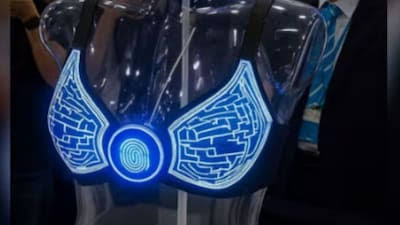
Public Reactions: Amusement, Debate, and Curiosity
Among online audiences, reactions have ranged from amusement to genuine interest. Some see it as a humorous tech concept, while others view it as an innovative idea that challenges the limits of wearable security.
A common question raised by readers is whether such a bra would be practical. Would it malfunction? What if the woman’s partner is not present? These concerns highlight the challenges that would arise if this concept were ever produced on a commercial scale.
Innovation Begins With Bold Ideas
Even if this fingerprint-secured bra never becomes a mainstream product, its existence as an idea plays an important role in inspiring future creators. Many groundbreaking inventions began as unusual experiments. From smart fabrics to AI-powered clothing, the future of wearable technology is wide open.
At its core, this concept represents creativity, curiosity, and the courage to explore ideas that others may dismiss as unrealistic. Innovation often starts where imagination meets determination.
Conclusion
The story of the fingerprint-unlocking bra is more than just a viral headline. It is a reminder that technology continues to evolve in surprising directions. Whether viewed as a tool for empowerment, a commentary on consent, or simply an inventive concept, it reflects a growing trend—using technology to enhance personal safety and autonomy.
As society moves deeper into the era of smart wearables, such bold ideas may inspire even more meaningful innovation in the future.