Entertainment
Welcome dear members
So without wasting your precious time let’s get to the heart-touching story
At first, I thought it was adorable — even admirable — that my fiancé’s seven-year-old daughter, Sophie, woke up before dawn every morning to prepare breakfast and clean the house. I thought I had stepped into some Pinterest-perfect dream of a child.
But that illusion shattered the moment I uncovered the heartbreaking reason behind her routine.
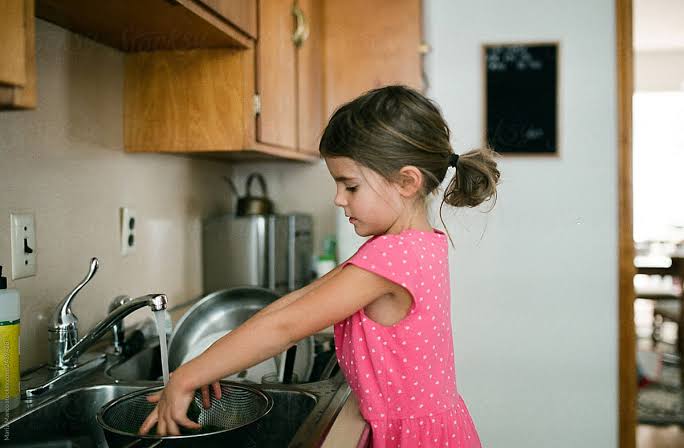
It started gradually. I’d hear soft footsteps early in the morning, long before the sun came up. The smell of fresh coffee and warm pancakes would drift through the house before I even opened my eyes.
I assumed it was my fiancé — or maybe a special treat he and Sophie were preparing together.
But then I realized: it was always Sophie. Alone.
One day, I came downstairs earlier than usual and caught her standing on a step stool in front of the coffee machine, carefully measuring grounds into the filter.
Dressed in her rainbow unicorn pajamas, her hair tied neatly into pigtails, she looked like a little adult in a child’s body. The kitchen was spotless. Breakfast was laid out like something from a cooking show.
“You’re up early again, sweetheart,” I said gently.
She turned around, beaming.
“I wanted everything to be nice when you and Daddy woke up. Do you like the coffee? I figured out how to use the machine!”
I smiled and told her it was perfect — because it was — but something in her voice gave me pause.
It wasn’t the joy of a child helping for fun. It was the desperate pride of someone trying very hard to be enough.
Over the next few days, I watched more closely.
Sophie wasn’t just helping out. She was trying to manage a household like a grown woman.
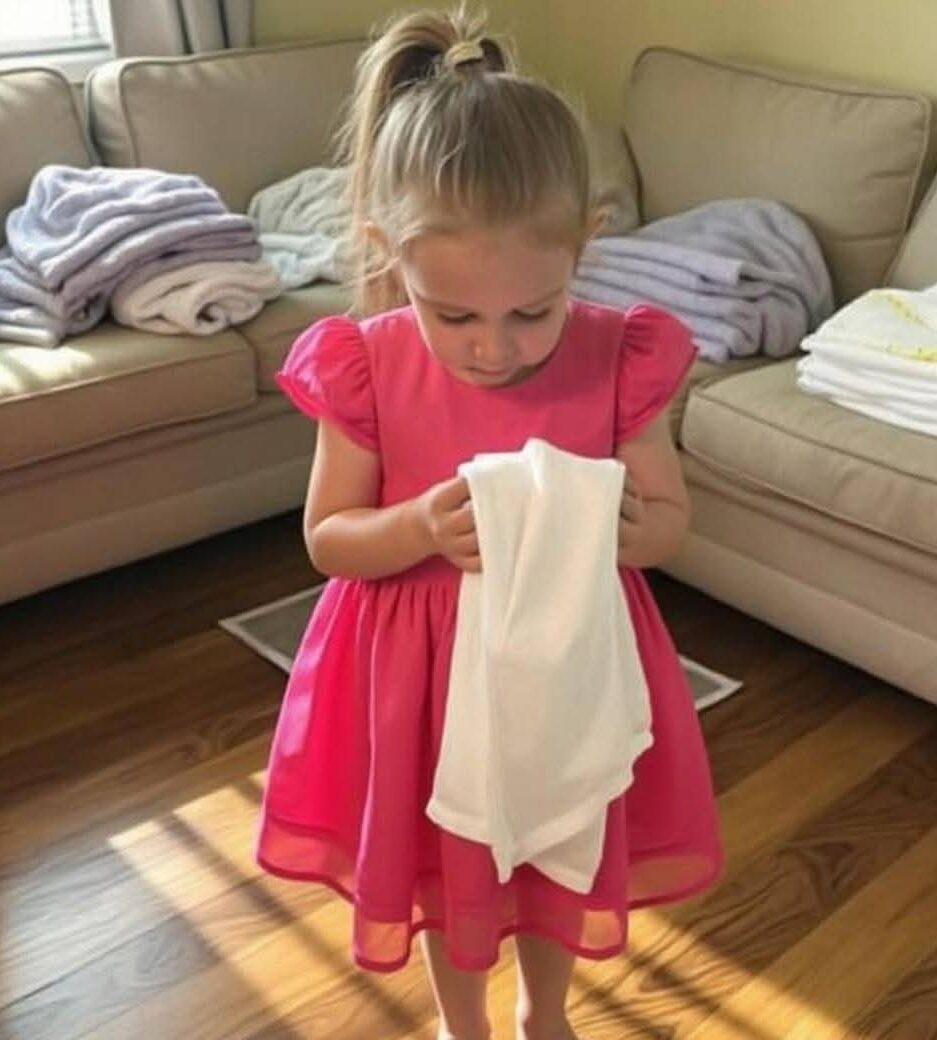
Folding laundry with military precision. Vacuuming the carpets quietly while we rested. Wiping down counters and fluffing pillows.

One afternoon, I gently asked, “Sophie, why do you do all this every day?”
She hesitated, then shrugged. “I just like helping.”
I waited. There was more. You could see it in the way her eyes flicked to the floor, in the forced cheer of her voice.
Then she added softly, “Mommy said if the house wasn’t perfect, Daddy would leave. That he needed everything just right, or… he’d get sad. Or mad.”
And just like that, the truth came crashing down.
Sophie lost her mom a year ago to cancer. I knew the general facts, but I had no idea how deep the emotional scars ran. Her mother, fighting her own battle, must have passed on her own fears — maybe trying to prepare Sophie for a future she wouldn’t be around to see.
In trying to protect her daughter, she accidentally planted the idea that love is conditional — that a child must earn it by being perfect.
That night, I sat Sophie down and hugged her tight. “Sweetheart,” I said, “you don’t have to do all this to be loved. Daddy and I love you because you’re you. Not because the kitchen is clean.
Not because the coffee’s perfect. You can make a mess and still be the most amazing part of our day.”
She was quiet for a long time, then whispered, “But what if he leaves me too?”
And that’s when I realized — she wasn’t just mimicking her mom’s habits. She was living in fear.
Fear of abandonment. Fear of doing something wrong. Fear that she would lose what little family she had left.
My fiancé and I had a long conversation that night. We agreed that we needed to reassure Sophie every day — not just in words, but in actions — that she was safe, loved, and allowed to be a child.
Letting Children Be Children
Sophie doesn’t wake up before dawn anymore. She still helps in the kitchen sometimes, but now it’s with giggles and pancake batter in her hair. The coffee? Sometimes it’s burned. The dishes? Sometimes left in the sink. And that’s okay.
Because now she knows that love doesn’t come from perfection.
It comes from presence, patience, and the promise that no matter what — she is enough.
💔 Too many children quietly carry the weight of adult fears. Let’s remind them: being loved is not something they have to earn.
👉 If this story touched your heart, share it to remind others of the importance of emotional safety in childhood.
👉 For more heartfelt family stories and parenting reflections, visit our blog homepage.