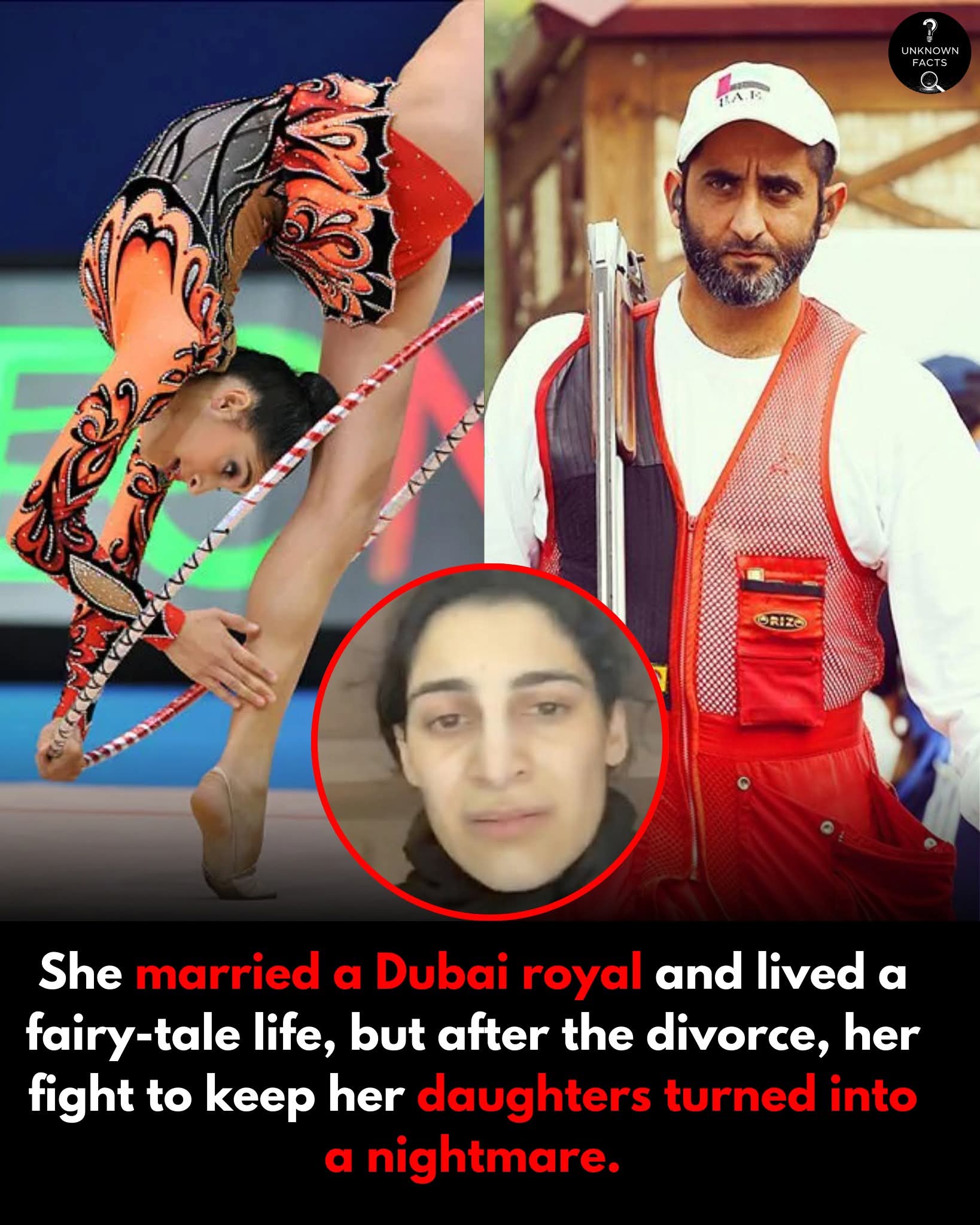
Zeynab Javadli, a former international rhythmic gymnast from Azerbaijan, once enjoyed a promising athletic career marked by appearances in European and global competitions. Her grace, discipline and achievements made her a respected figure in the world of rhythmic gymnastics. After stepping away from professional sports, her life took a different direction when she married Sheikh Saeed bin Maktoum bin Rashid Al Maktoum, a member of Dubai’s ruling family, in 2015.
For several years, the couple appeared to live a stable family life together. However, their marriage came to an end in late 2019, and what followed was a deeply emotional and highly complicated custody dispute over their three daughters. The situation quickly gained worldwide attention because of the serious claims made, the involvement of a high-profile family and the lack of publicly available documentation surrounding the case.
Following the separation, Javadli began releasing public statements and videos in which she described feeling unsafe, intimidated and under immense pressure. She claimed that after the divorce she experienced harassment, threats and repeated disturbances allegedly connected to her ex-husband’s circle and local authorities. None of these claims could be independently verified due to the private nature of the legal proceedings, but her posts attracted widespread concern across social media platforms.
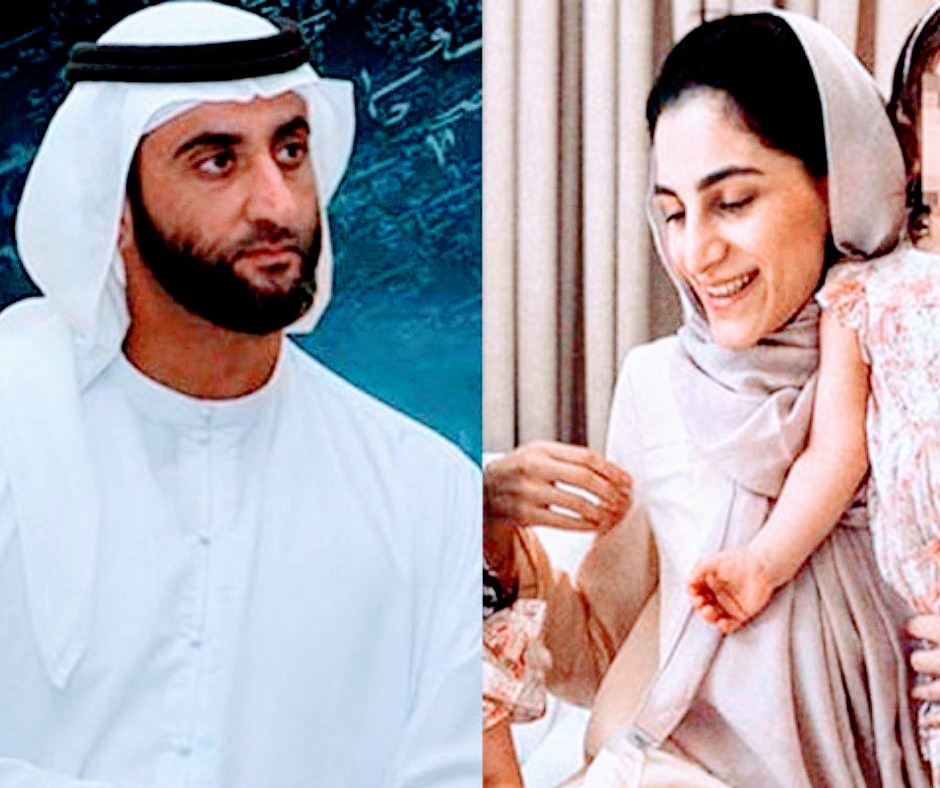
In October 2022, Javadli’s UK-based legal representatives submitted a petition to the United Nations Human Rights Council (UNHRC). The petition asked for international protection for both her and her daughters. According to her legal team, the appeal included descriptions of several incidents — including reported police raids on her residence, warnings about restricted movement and fears that custody might be taken from her without notice. These claims, shared through official legal communication and Javadli’s own videos, became the primary source of information for global audiences following the case.
During this period, Javadli and her children reportedly stayed in a Dubai hotel for an extended time. She stated that she felt unable to step outside freely with her daughters because she feared potential arrest or forced separation. In a widely circulated video message, she expressed her distress, saying, “My children and I are terrified and frightened for our lives and safety.” She further explained that she felt “trapped,” unable to make decisions without fearing the consequences.
On the other side, Sheikh Saeed’s legal team firmly rejected her accusations. Their filings argued that Javadli had failed to provide consistent schooling for the children and that the living arrangements she chose were not suitable for their upbringing. Additionally, they accused her of “kidnapping” the children during one attempted visit — a claim that Javadli strongly denied. Their position emphasized that all legal processes were being followed within the UAE’s judicial system.

Because the case involves a member of Dubai’s ruling family, court documents and official rulings are not fully public. This lack of transparency has made the situation difficult to verify or fully understand from an outside perspective. As a result, much of the narrative available to the public is based on Javadli’s statements, social media posts and legal petitions, alongside rebuttals from her ex-husband’s legal team.
The situation remains complex, sensitive and evolving. What is clear is that the case has sparked international discussion about parental rights, custody laws and the challenges faced by families undergoing high-profile separations.