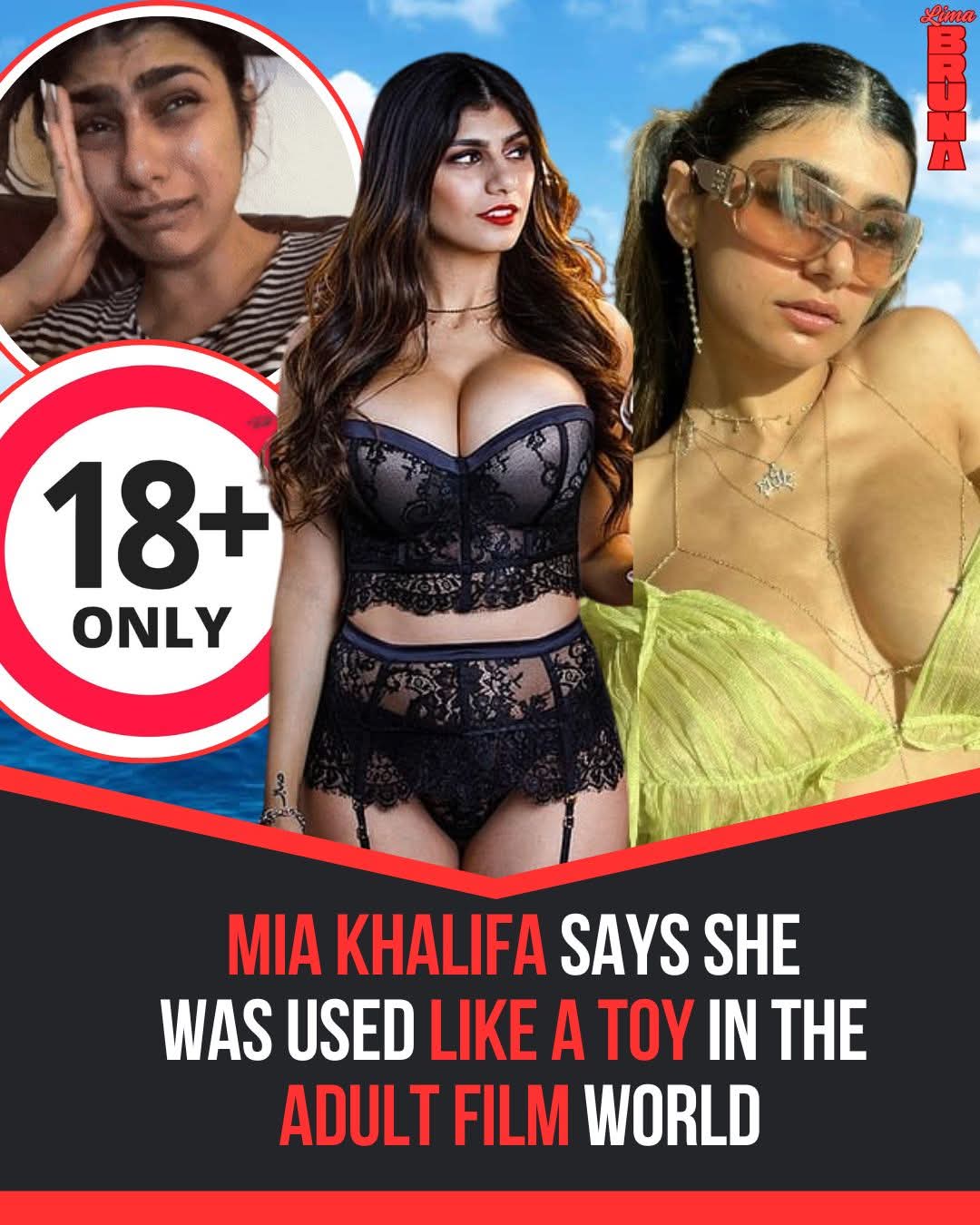
Mia Khalifa’s journey is one of the most widely discussed examples of how vulnerable young people can be drawn into the adult-film industry without fully understanding the long-term consequences. In her interview on Diary of a CEO, she opened up about the emotional, psychological, and social toll of her brief time in the industry — a period that lasted only a few months but shaped her life for years to come.
During the conversation, Mia described feeling “used like a toy”, a phrase that captured how powerless and unprotected she felt at the age of around 20. According to her, she entered the industry at a time when she lacked confidence, struggled with her self-image, and was seeking validation in all the wrong places. She explained that her then-partner encouraged her involvement, pushing her into situations she now recognizes as manipulative and deeply exploitative. What she initially believed was confidence-building attention turned out to be control, pressure, and emotional vulnerability being taken advantage of.
Although she signed contracts, Mia has repeatedly emphasized that she was too young and naive to grasp what she was agreeing to. For her, the paperwork did not reflect true consent — because she did not understand the lifelong impact of her decisions or the permanent nature of online content. She described the dynamic between herself and the industry as one-sided: her body and image were treated like objects, not as parts of a full human being with emotions, boundaries, and long-term needs.
Her rise to fame came early and unexpectedly. In late 2014, one of her scenes went viral due to the inclusion of a hijab — a moment that brought global attention but also intense backlash. Within days, her name became one of the most searched in the world, yet the consequences were severe. Mia faced death threats, criticism from religious communities, and overwhelming public scrutiny. Her family distanced themselves, unable to cope with the sudden and controversial attention surrounding her.
Despite appearing in only a handful of scenes, her online presence became permanent. The videos circulated endlessly, resurfacing years after she left the industry. Mia has described this as one of the most painful aspects of her experience: the lack of control over her own image and the constant reminder of choices made under pressure and immaturity. She has spoken openly about the emotional struggle that followed — the shame, the harassment, and the difficulty of rebuilding her identity.
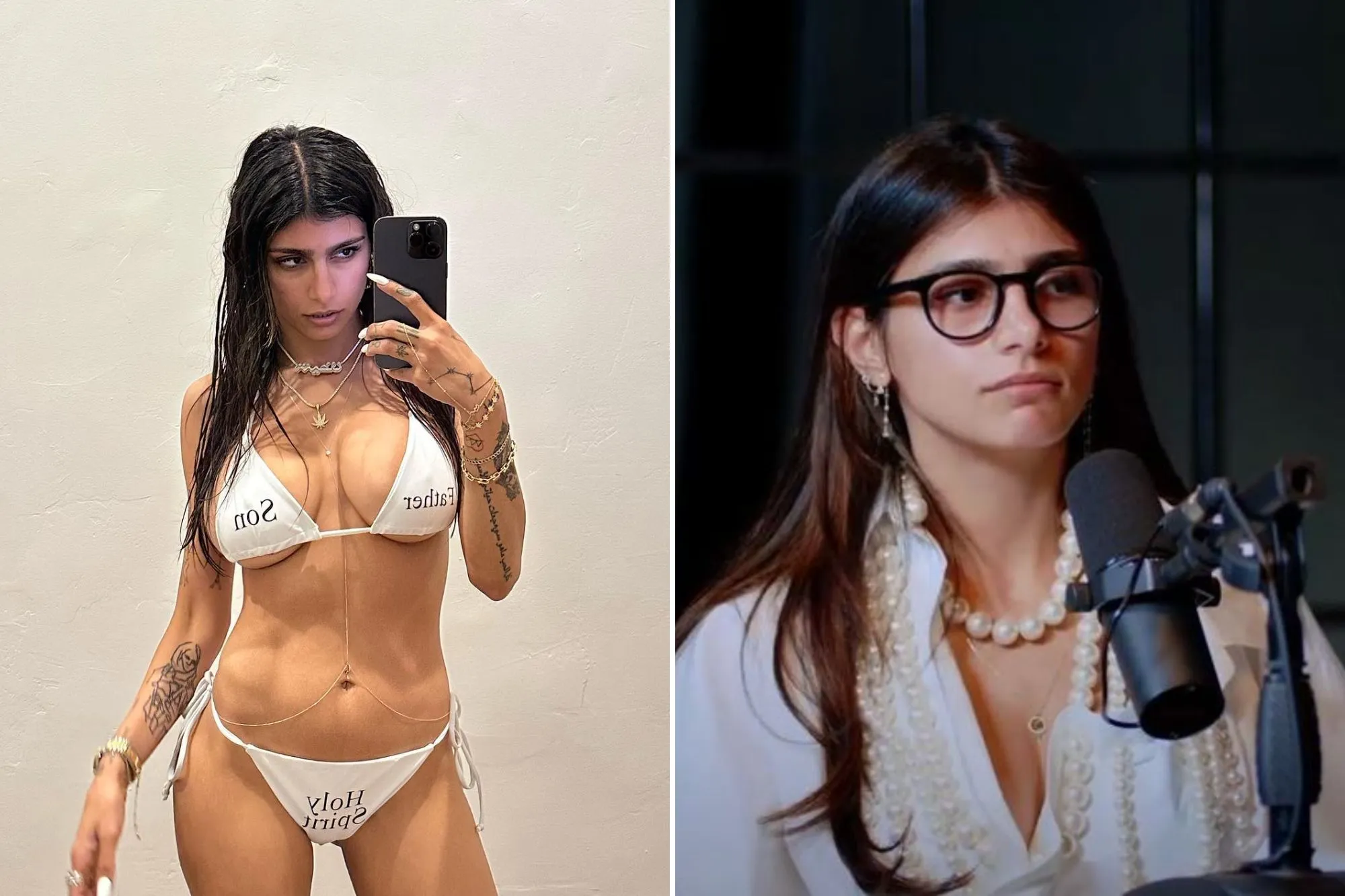
Today, Mia Khalifa uses her platform to spread awareness about consent, manipulation, and power dynamics within the adult-film industry. Her reflections contribute to broader conversations about how young and insecure individuals can be led into roles they are not ready for, especially when influenced by partners or producers who prioritize profit over well-being. She emphasizes that legal consent on paper is not the same as informed, empowered consent — particularly when someone is vulnerable, seeking approval, or being pressured by people they trust.
Her story also highlights the responsibility of viewers and society. Many people consume adult content without considering the human being behind the screen — their emotions, trauma, or long-term experiences. By sharing her truth, Mia hopes to encourage more empathy and awareness, pushing for better protections and ethical standards within the industry.
While her past continues to follow her, Mia Khalifa’s voice has become a powerful reminder that exploitation is not always visible and that young people deserve protection, understanding, and the opportunity to reclaim their own narrative. Her journey is now part of a wider movement calling for transparency, emotional support, and respect for individuals whose lives are forever shaped by moments captured online.