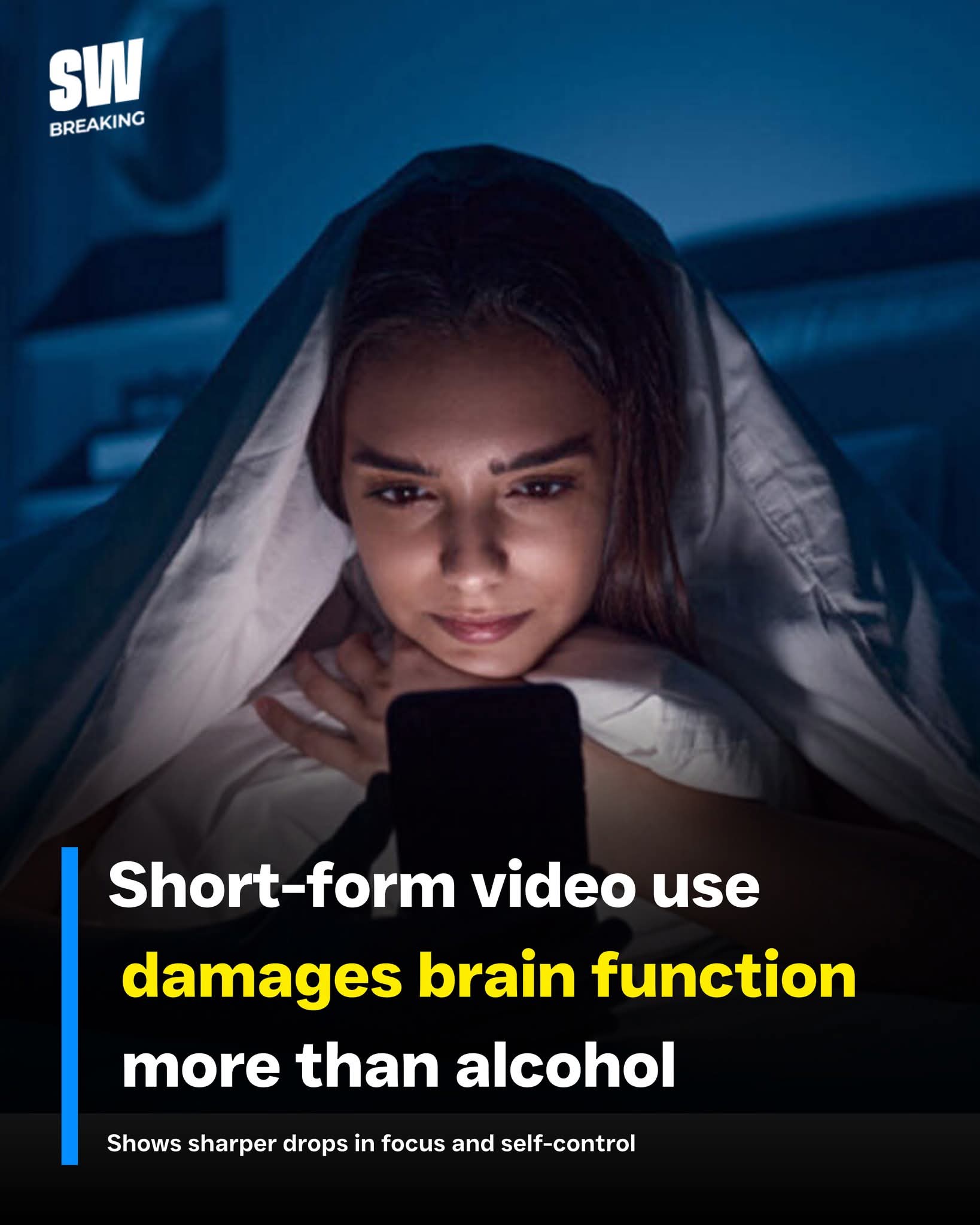
In the age of TikTok, Reels, and YouTube Shorts, attention has become the most valuable currency—and also the most fragile. What began as harmless entertainment has quickly become a global habit: scrolling endlessly through 10-second clips, each one louder, faster, and more stimulating than the last. But new neuroscience research suggests that this digital behavior may be far more harmful than we realize. In fact, some studies argue that excessive short-form video consumption may impair brain function even more severely than alcohol.
The Brain’s Reward System Overloaded
Short-form videos are engineered for one purpose: instant satisfaction. Bright visuals, quick jokes, dramatic reveals, and fast edits flood the brain with dopamine. It’s the same chemical released when we eat sweets, win games, or receive compliments. But unlike natural rewards, these videos provide constant, rapid-fire stimulation.
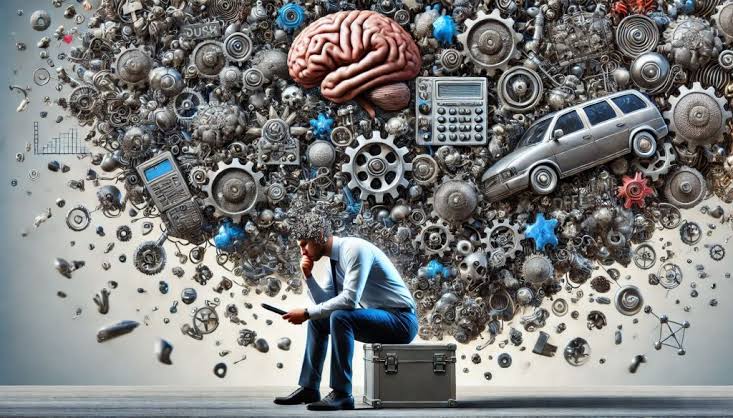
Each swipe becomes a small dopamine hit.
Each new clip becomes a reward reset.
Over time, the brain begins craving more stimulation at faster speeds. This overstimulation directly affects the prefrontal cortex—the region responsible for focus, decision-making, emotional control, and long-term planning.
What the Research Shows
Recent studies from Chinese neuroscience institutions highlight something alarming: excessive short-video usage can produce cognitive impairment up to five times worse than the impairment observed from alcohol consumption. While alcohol physically slows neural signaling, short-form content weakens the brain by overstimulating its reward circuits and disrupting attention pathways.
Key findings include:
Shortened attention span: The brain becomes conditioned to expect constant novelty, making slow tasks—reading, studying, thinking—feel unbearable.
Weakening of working memory: Rapid context switching interrupts the brain’s ability to store and process information.
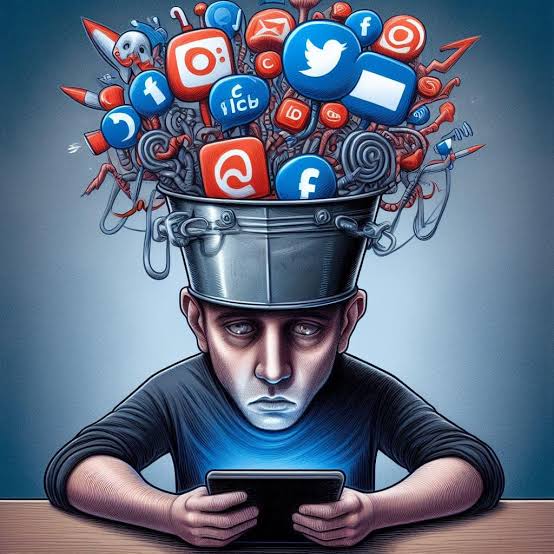
Increased impulsiveness: With dopamine constantly triggered, self-control becomes harder to maintain.
Reduced deep focus: The brain struggles to stay engaged with any task that doesn’t provide immediate reward.
While short-form content is not chemically addictive like alcohol or drugs, its neurological effects are strikingly similar, especially regarding dependency and loss of self-regulation.
Why the Brain Struggles With Rapid Clips
Human brains evolved to process information in a linear, steady flow. Short-form videos break this pattern by delivering:
Micro-bursts of emotion
Tiny stories with instant payoffs
Surprise elements every few seconds
Dramatic shifts in tone, sound, and speed
This keeps viewers hooked—but also prevents the brain from engaging in deeper, slower thinking. Over time, our ability to enjoy calm, quiet, or focused moments weakens.
Just like alcohol numbs emotional responses, short clips numb cognitive endurance.
A Silent Mental Health Risk
Beyond attention issues, psychologists are now linking overconsumption of fast-paced digital content to:
Anxiety

Low frustration tolerance
Difficulty sleeping
Restlessness
Chronic boredom with real life
Every dopamine spike makes reality feel slightly duller. Long conversations, hobbies, and even relationships can start to feel “too slow.”
Mindful Use Is the Solution
The purpose of this research is not to demonize social media—but to understand it. Short-form videos can be funny, educational, and creative when consumed in moderation. The danger lies in overuse.
Experts recommend:
Setting daily screen time limits
Taking dopamine detox breaks
Practicing deep-focus activities (reading, writing, hobbies)
Avoiding screens before sleep
Curating feeds with meaningful content
Final Thought
Alcohol affects the body quickly and visibly. Short-form videos affect the mind quietly and gradually. And that’s what makes them even more dangerous: the damage builds without us noticing.
In a world designed to steal your attention, learning to protect it is not just important—it’s essential for long-term mental health